
What’s the difference between Directional and non-directional fabric?
Understanding Directional vs. Non-Directional Fabrics
Knowing the difference between directional and non-directional fabrics is important when picking fabrics for your quilting and sewing projects. Each type has its own look and can change the style of your quilt or sewing project, especially when making a pouch, bag, or basket with matching front and back.
Directional Fabrics
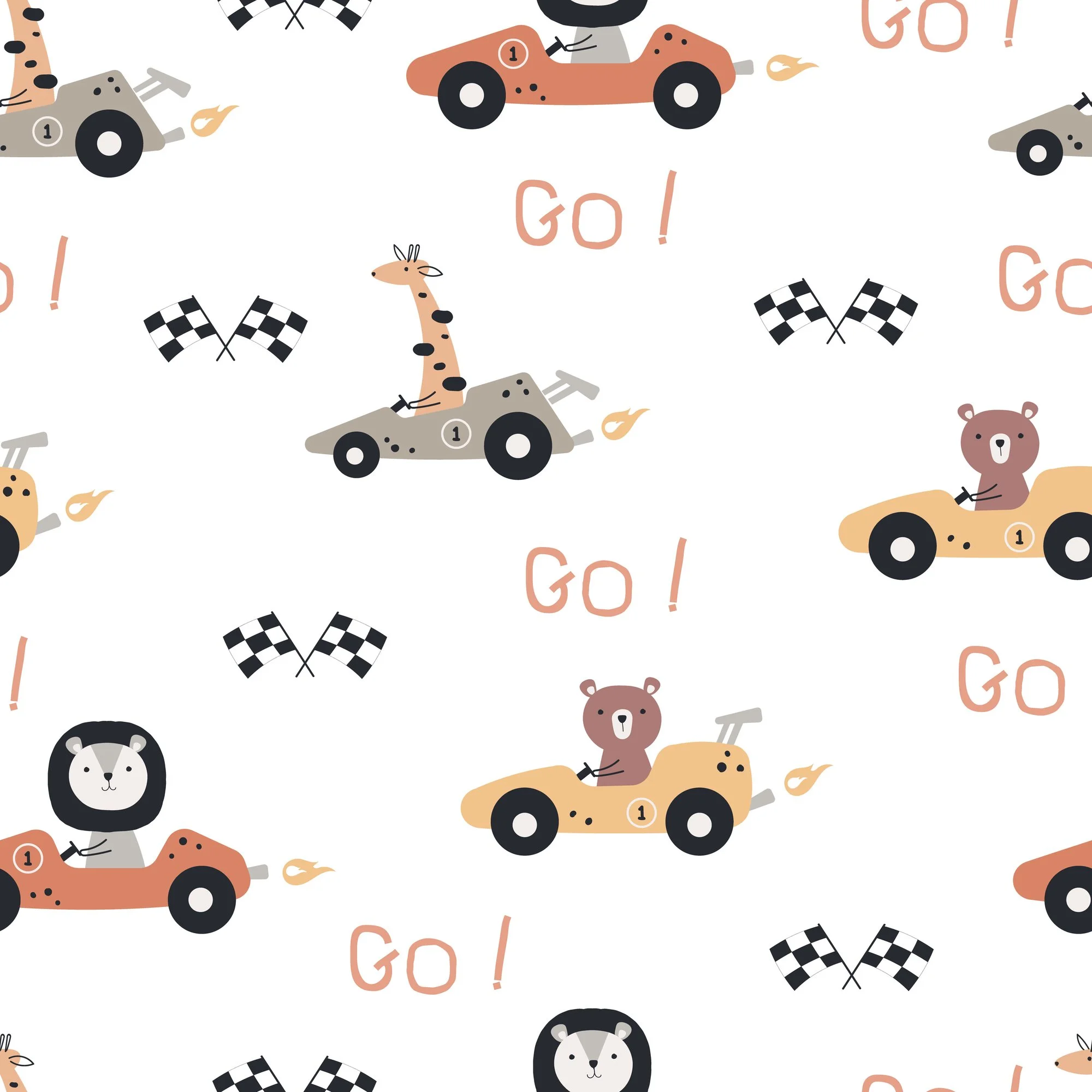
Directional fabric is designed to be seen from a certain angle. It often includes flowers, animals, or text.
Directional fabrics have a clear orientation, meaning the design is intended to be seen in a specific direction. They can include prints featuring motifs such as animals, text, or geometric shapes with a "top" and "bottom." When working with directional fabrics, paying attention to cutting and arranging your pieces within your quilt or sewing project is important.
Fussy cutting is a technique that involves selecting a specific design or motif in the fabric and cutting it out for your project. This method highlights specific prints, making key images stand out in the finished project. While it needs careful measuring and cutting, fussy cutting boosts the overall look.
Non-Directional Fabrics
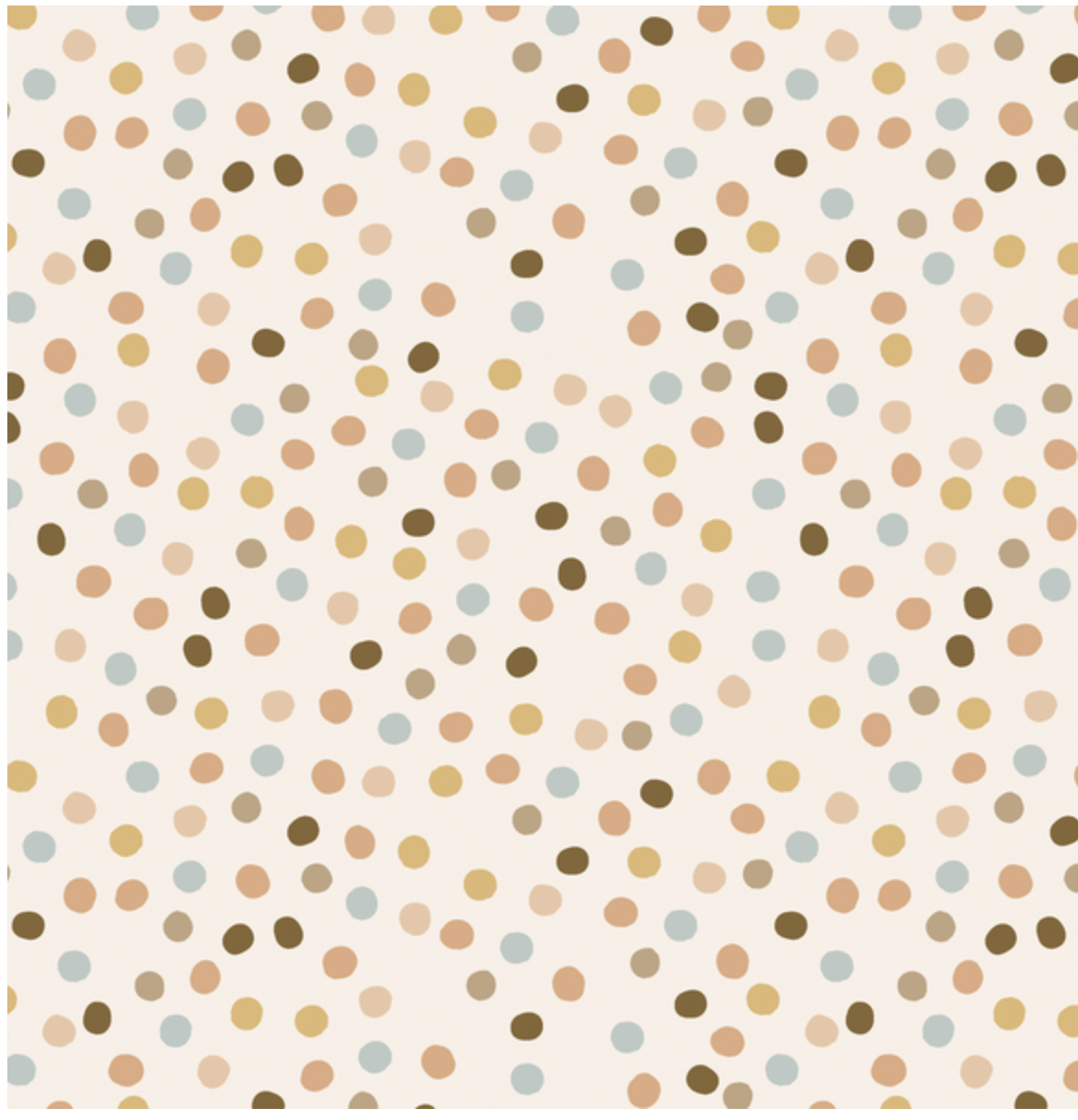
Non-directional fabric patterns can be rotated or flipped easily, making them an easy choice.
Non-directional fabrics have patterns that look the same no matter how you turn them. Examples include dots, flowers, or abstract designs that don’t need to be positioned in a specific way. They are flexible and great for casual quilting or as backgrounds in detailed designs.
Choosing non-directional fabrics also allows for a greater freedom of creativity. You can focus more on arranging your blocks and colors without worrying about how the patterns will align. This can be especially beneficial for beginners still learning to cut and piece.
Combining Both Types
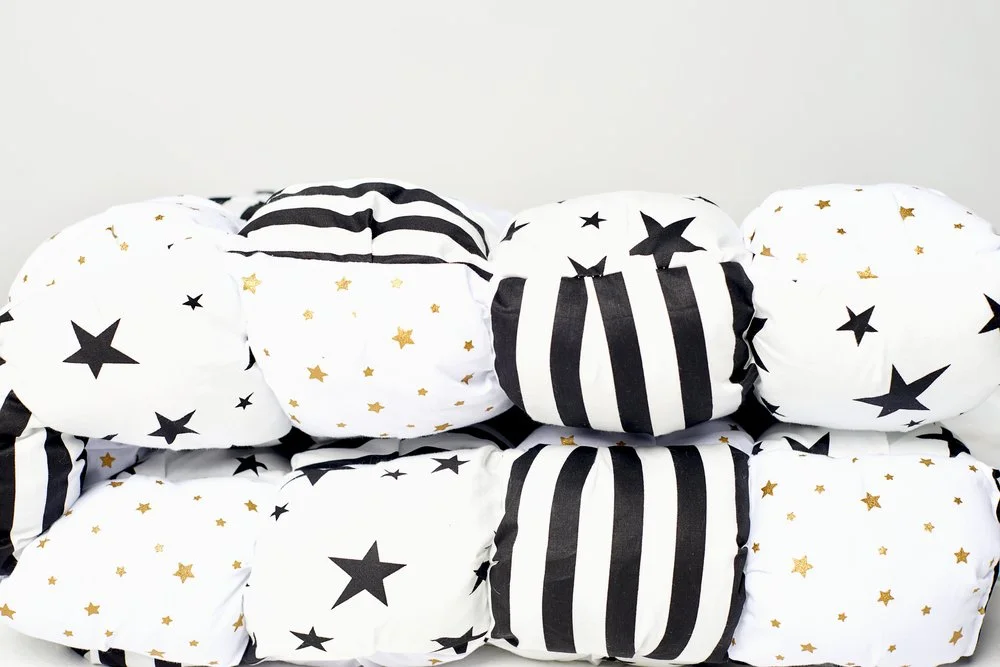
Using different fabrics adds a design element that can make your finished project unique. Directional fabrics, like stripes, can be arranged in various ways to create fun variations.
Using directional and nondirectional fabrics, add contrast, movement, and interest that improve the overall look of your quilt or project.
Knowing the difference between directional and non-directional fabrics is key when choosing a design. Selecting and matching fabrics helps you create beautiful quilts or sewing projects that reflect your style. Both types are fun for quilting and sewing. Happy sewing!
Make a simple Easter Basket with my free pattern using fabric that doesn’t have a specific direction.. You can use your completed weave from the Modern Weave Pattern or any fabric you like.